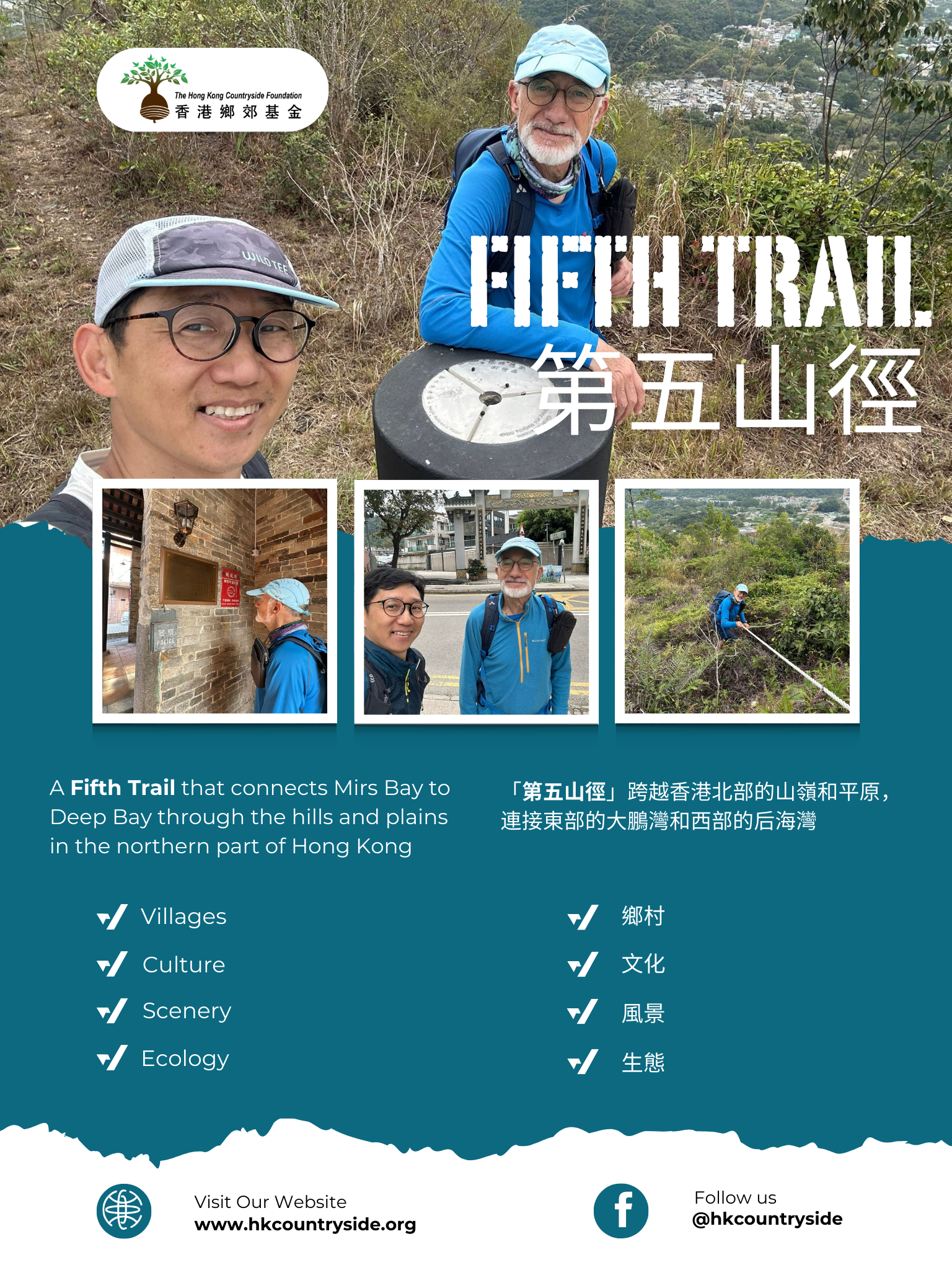
The Hong Kong Countryside Foundation is developing the concept of a Fifth Trail that connects Mirs Bay to Deep Bay through the hills and plains in the northern part of Hong Kong. It is not a single line, but a network of paths catering for hikers of different levels and linking villages, scenic points, culturally interesting places, sites of ecological values, and convenience stops. More than drawing lines on maps, colleagues and volunteers of HKCF have started making reconnaissance trips to assess conditions on the ground. These images show director Roger Nissim and volunteer Elton Lam evaluating potential routes to link the Robin’s Nest Country Park and Tai To Yan. Much work remains to be done.
香港鄉郊基金會正在構想香港的「第五山徑」,跨越香港北部的山嶺和平原,連接東部的大鵬灣和西部的后海灣。「第五山徑」不會是單一的路線,而是一個由多條步道組成的網絡,適合不同程度的遠足者,並將沿途的鄉村、觀景點、文化特色、重要生態區和補給站點連接起來。香港鄉郊基金的同事和義工不僅是在地圖上劃線,還已開展了實地考察,評估實際情況。照片展示基金董事 Roger Nissim和義工林穩超正在評估連接紅花嶺郊野公園和大刀屻的可能路線,「第五山徑」要做的事還很多。
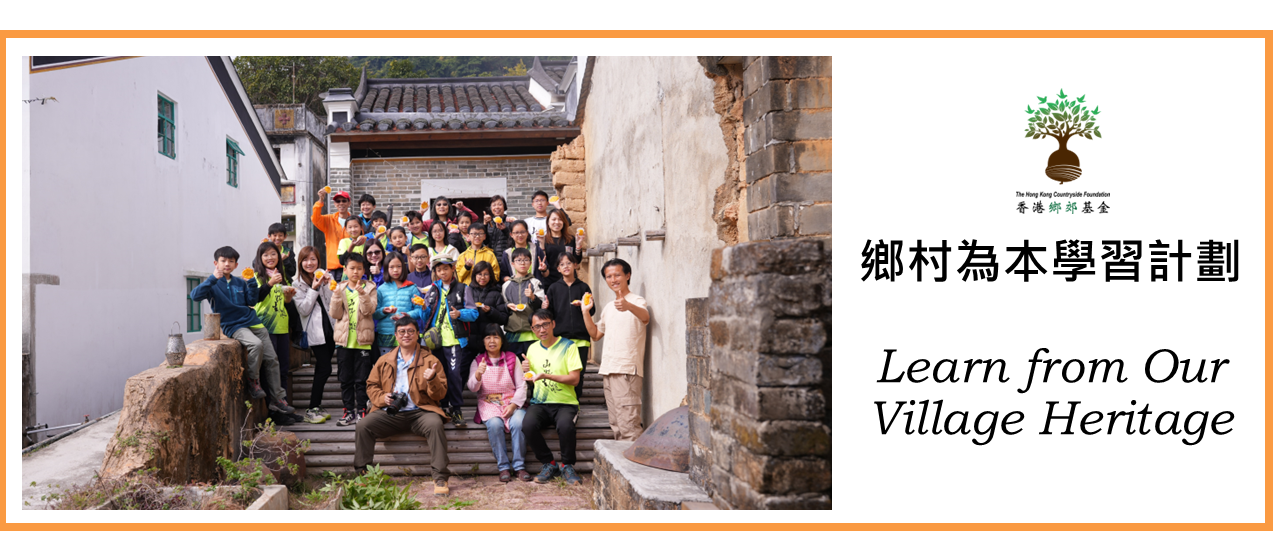
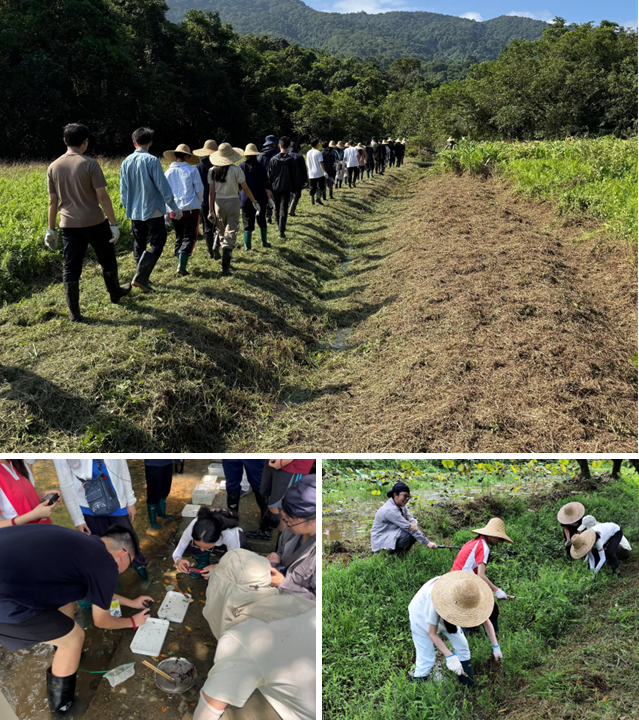
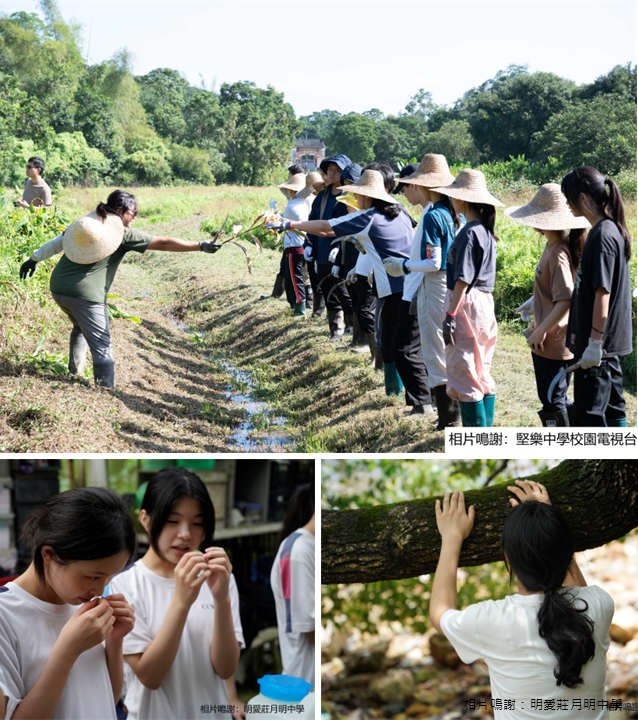
The project provides funding support for students to expand knowledge, strengthen self-resilience and learn from nature, through participation in experiential learning activities and connection with the local community during programmes with overnight stay in Lai Chi Wo.
The funding scheme is financed by a generous donation of Dr Patrick Poon Sun Cheong.
The target beneficiaries are local full-time students (age 6 to 23).
The scope of funding support normally covers the costs of the students in respect of the overnight accommodation, meals and a basic programme of one guided tour and two experiential learning activities.
For more detail of the project “Learn from Our Village Heritage”, please download the Guide to Application and the Application Form below: 「鄉村為本學習計劃」資助計劃詳細資料,請下載以下申請指引及申請表。
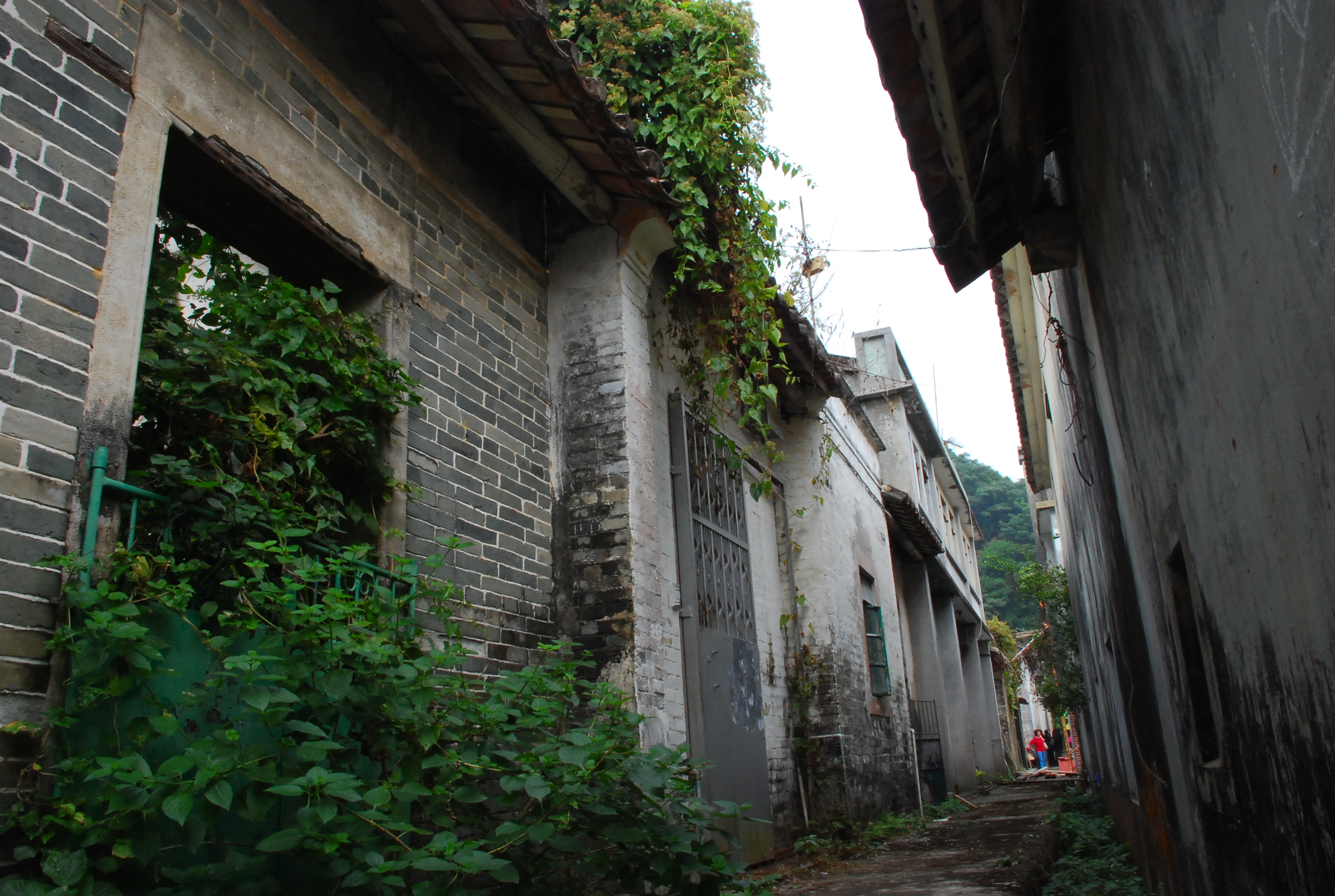
The Hong Kong Countryside Foundation Limited, under the Chief Executive’s Community Project List 2015/16, was granted funding by the Hong Kong Jockey Club Charities Trust to conserve and restore a group of village houses, as the base for the operation of experiential learning programs and to provide accommodation for program participants. The group of houses will be operated as an integral entity. Profit if any from the operation will be applied to the maintenance of the houses. The restoration of houses will be done carefully and sensitively to retain the existing characters of the houses and village as a whole. New facilities will be installed to meet or surpass the current hygiene and fire safety requirements. The project will restore the 15 village houses in the initial phase, and ultimately 25 houses. 香港鄉郊基金有限公司根據行政長官社會資助計劃2016,獲得香港賽馬會資助,將為當地的部分村屋進行保育和復修,為訪客提供住宿及不同類別的客家文化學習體驗課程。村屋是「客家生活體驗村」不可或缺的部分,營運收益將用作村屋的維修保養。在復修過程中,會盡量小心保存現有村屋及整體村落原貌,同時新增設施以提升衞生及防火設施的標準。項目的第一期將會先復修 15 間村屋,目標最終復修共25間村屋。
Through a series of experiential learning programmes and workshops,the Hlev@lcw will resurgent the old hakka cultural tradition in order to provide the public a stronger understanding on LCW as the best preserved hakka enclosed village in hk with its characterized hakka history and culture. The Project will launch 12 el programmes in a seasonal pattern throughout the coming 4 years.With the professional training in the Docent training course, candidates are anticipated to be professional guides in the village and to serve as workshop instructors in specific areas as well as offering a range of activities for the Project.
All selected participants are required to attend the core programme “Lai Chi Wo and Surrounding Village Docent Training Course.” They are also required to attend at least 2 elective modules: “Hakka Life Experience Docent Training Course.” Both deposits and certificates will be issued upon their completion of the courses, training assessments, and assigned training hours.
Since October 2017, the Hong Kong Countryside Foundation, partnering with the Conservancy Association and with the funding support of the Environment and Conservation Fund (ECF), has engaged local community farmers at Lai Chi Wo to farm for conservation under the project “Management Agreement Scheme at Lai Chi Wo Enclave~ (in short “MA”).
By Oct 2021, the MA Project was switched to the Countryside Conservation Funding Scheme (CCFS) under Countryside Conservation Office (CCO). 自2021年10月,管理協議項目轉由鄉郊保育辦公室核下“鄉郊保育資助計劃”資助。
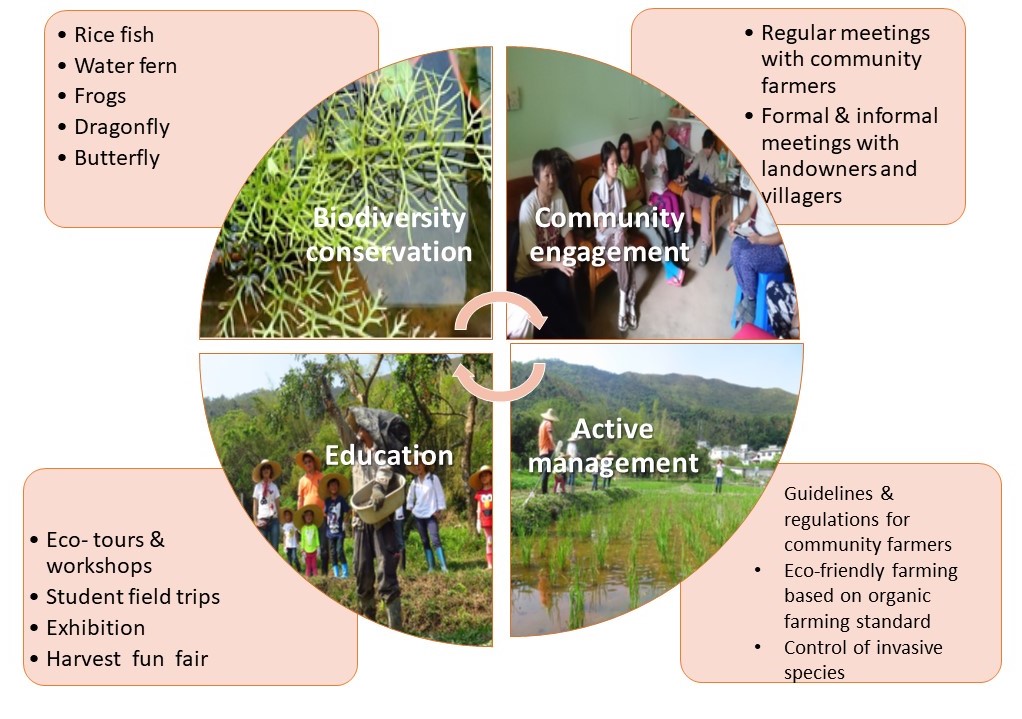
The MA project is made up of 4 pillars of work, namely:
“管理協議”項目,工作包括四大範疇:
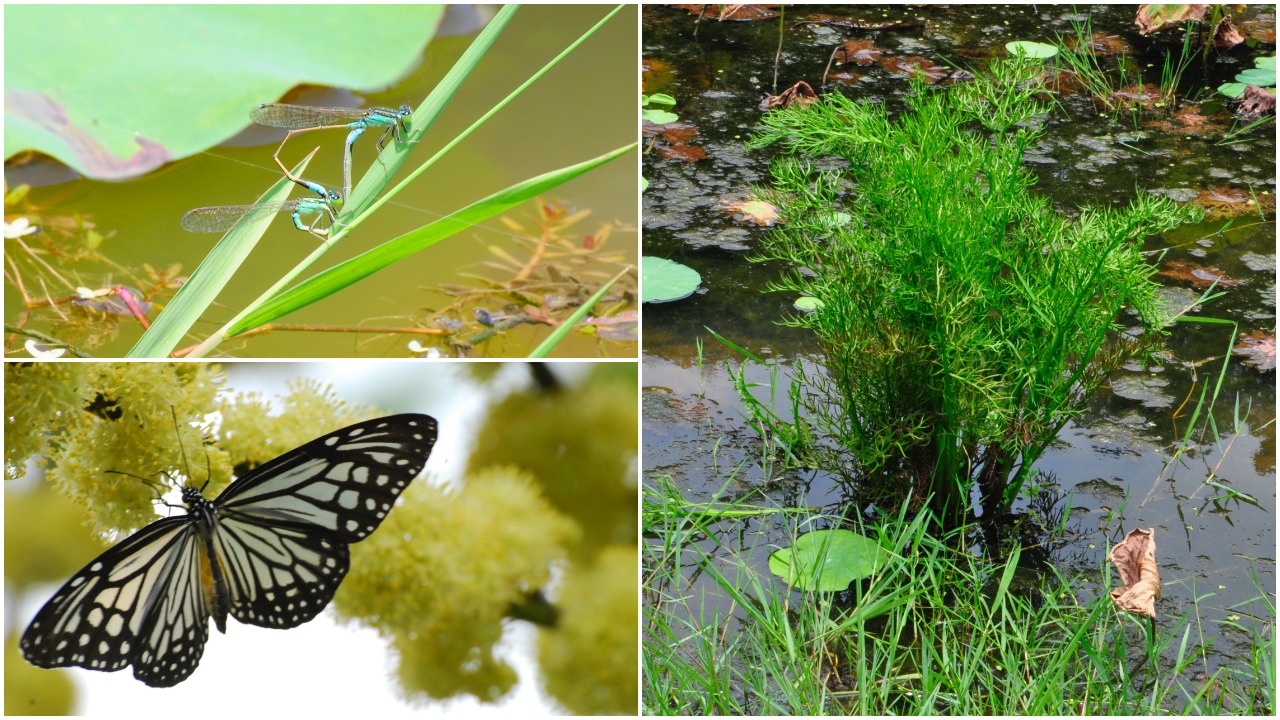
Biodiversity conservation – currently 5 taxa/ species namely odonate (dragonfly), butterfly, dragonfly+butterfly+water fern
amphibian, water fern and rice fish are surveyed regularly. Conservation measures are adopted in eco-farming, to safeguard the quality of the habitat so as to benefit the sustenance of these species.
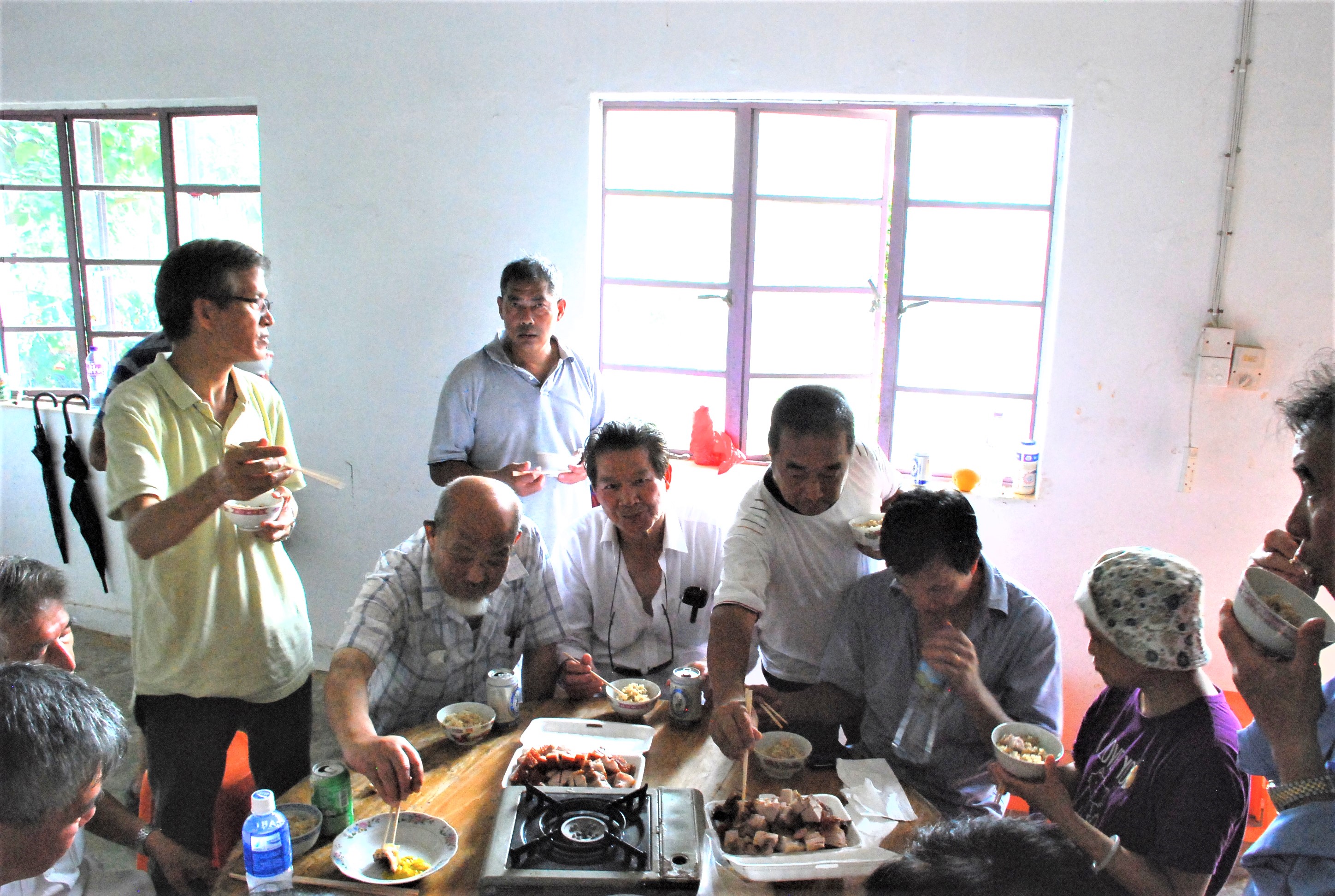
Community engagement – the Foundation leases farmland from indigenous villagers and engages local community farmers for collective efforts. Regular and informal meetings are held to facilitate communication on the execution of the project.
Education – Volunteer engagement and public activities are organized to promote the work and objectives of the project. Guided tours and talks organizations are conducted for students and various organisations, to promote the importance of biodiversity, countryside conservation and rural sustainability.
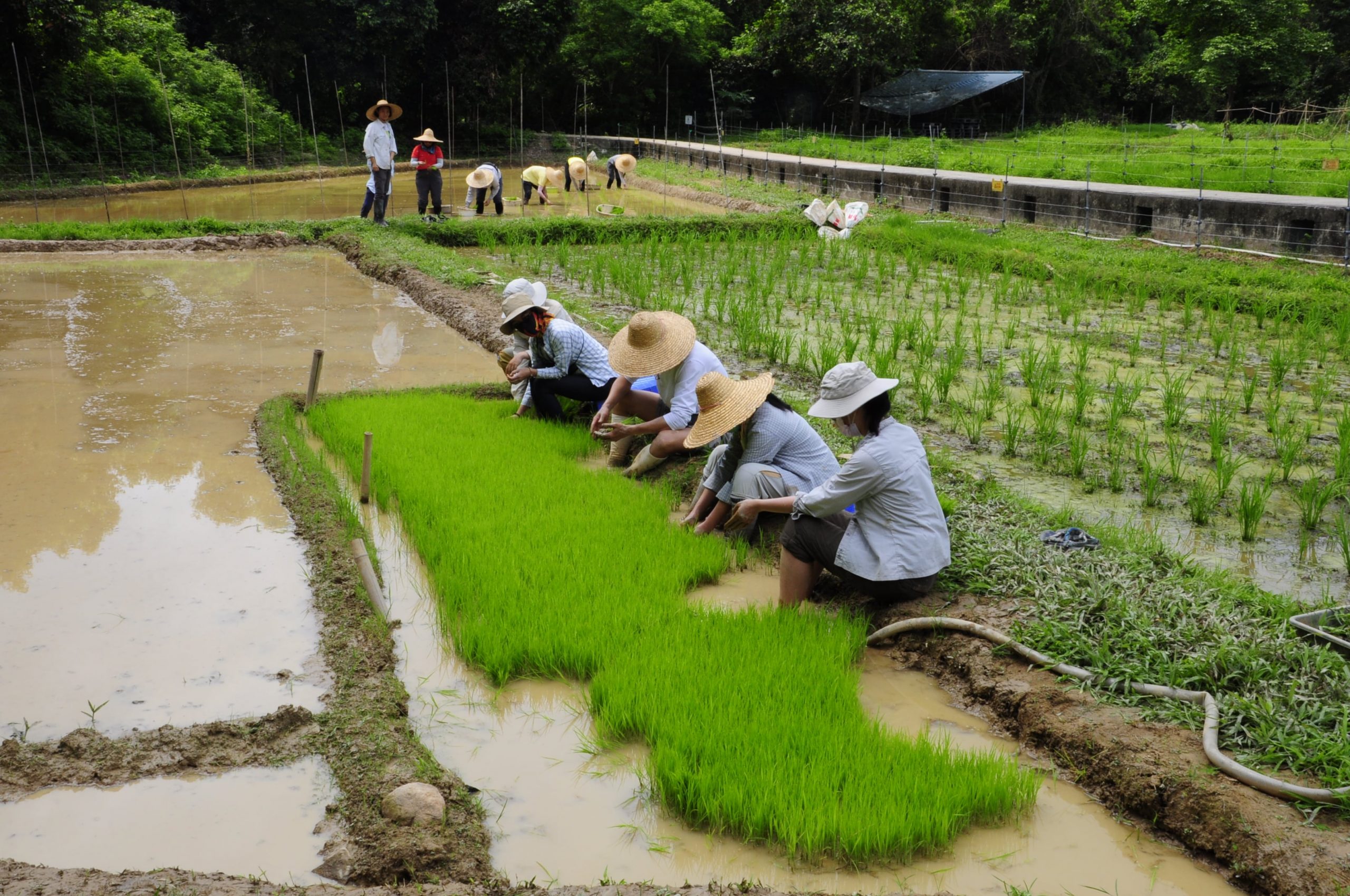
Active management – Guidelines and rules are establishedfor the farming community to follow. Eco-friendly farming is practised, based on the principles of organic farming, to nurture the soil and water as well as to support diversified flora and fauna. Furthermore, control measures are adopted to suppress the spread of invasive species. 4 Pillars of MA@LCW
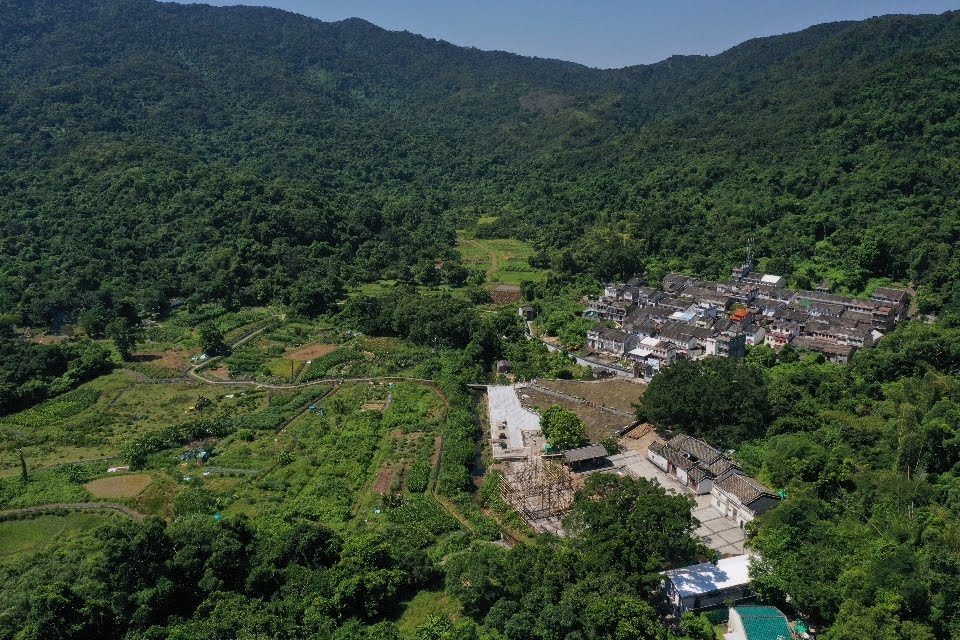
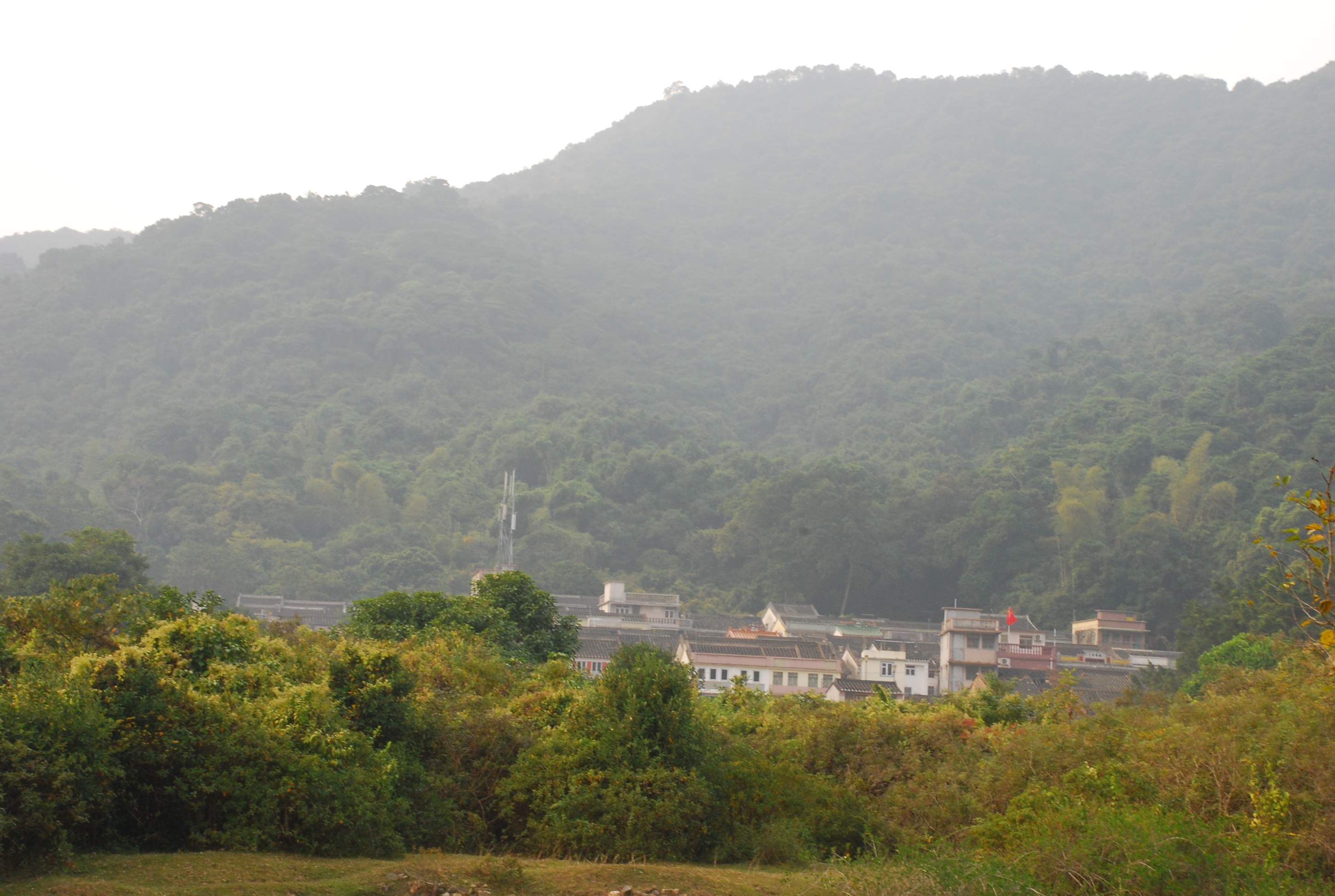
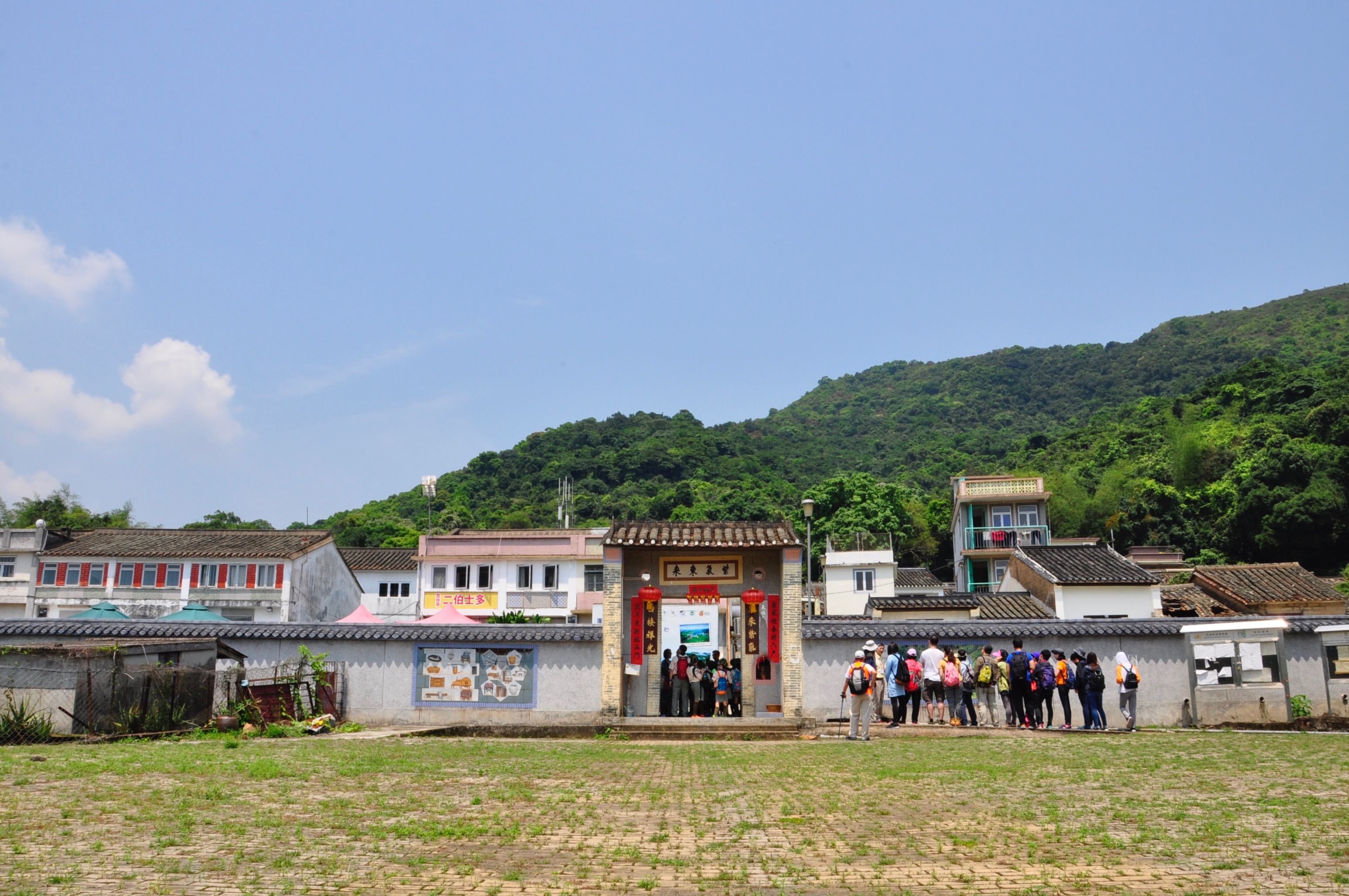
The Hong Kong Countryside Foundation has been working closely with the villagers of Lai Chi Wo Village since 2011, jointly exploring ways to revitalise this beautiful and culturally rich village. In 2011, the village was mostly deserted and the fields had been fallow for decades and were generally overgrown with shrubs. Many village houses with traditional tiled roof were slowly crumbling. Actions were urgently needed to re-populate the village and to bring back meaningful employment for its residents. Otherwise the village might become yet another abandoned village in the New Territories, and would be forgotten within a decade or so.
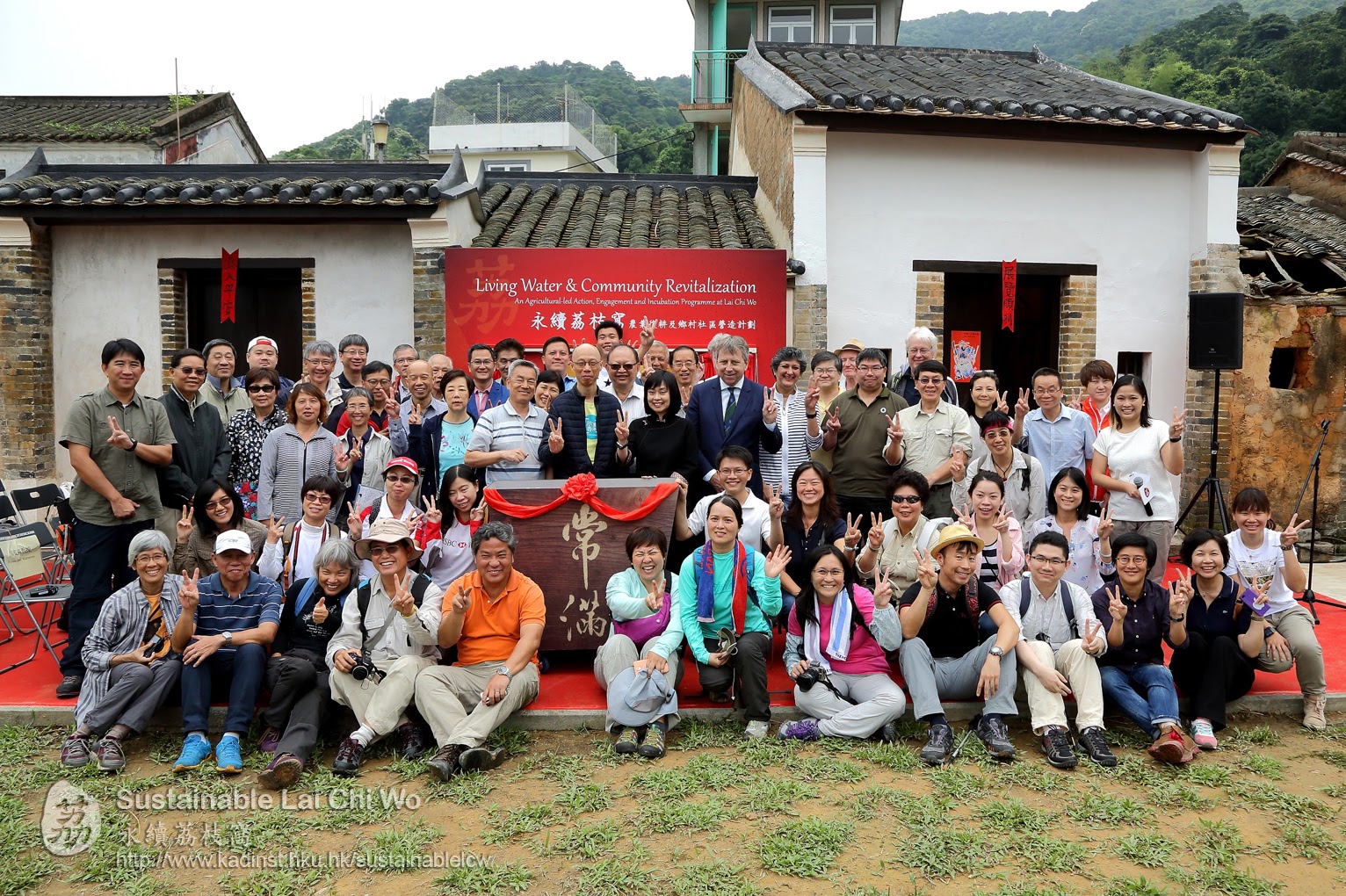
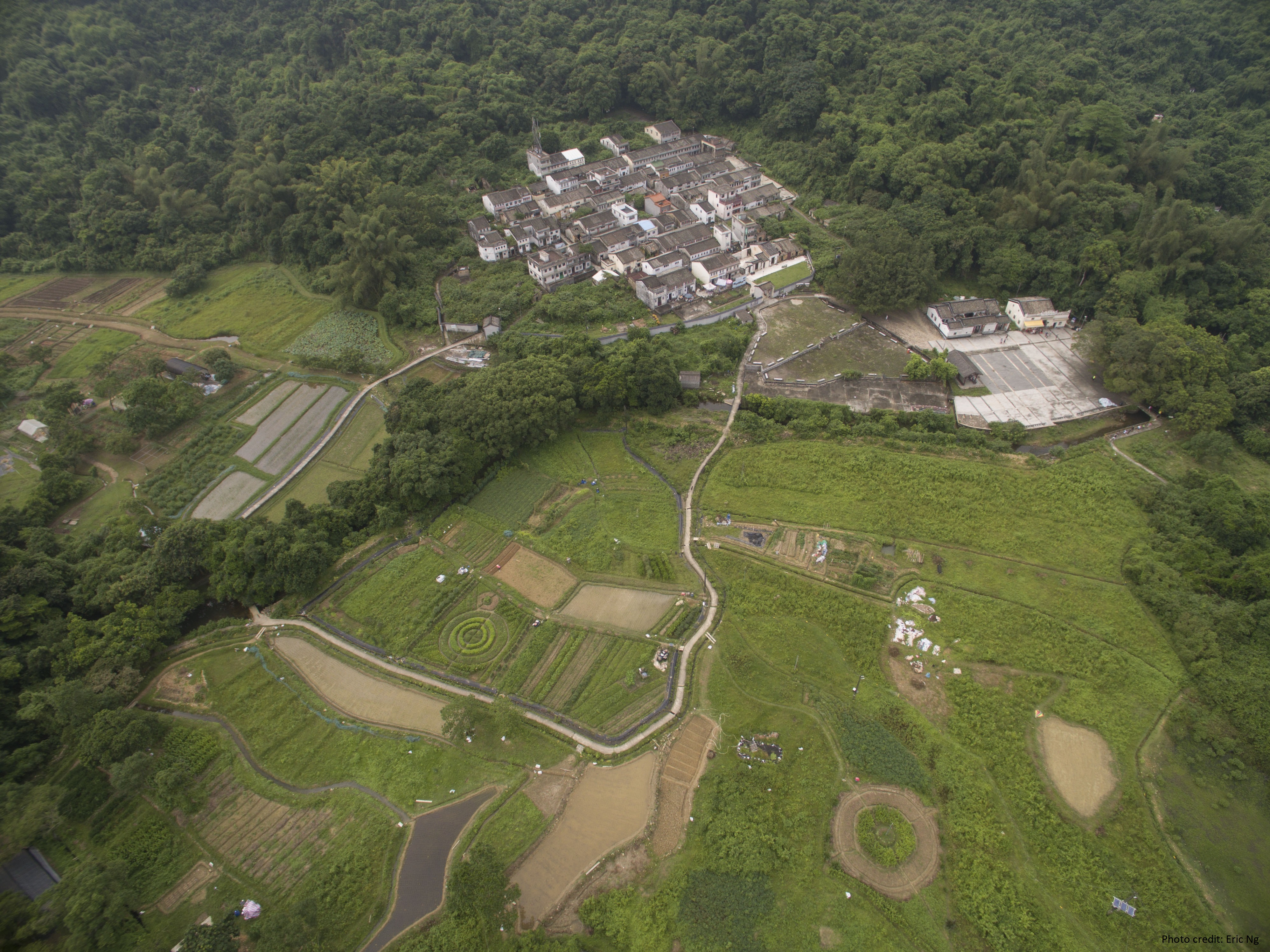
In 2013, with the assistance of villagers keen for bringing life back to the village, the Foundation managed to rent some 40,000 sq metres of farm land from the villagers. On this basis, the Foundation partnered with the Policy for Sustainability Lab (then known as Kadoorie Institute) of the University of Hong Kong, Produce Green Foundation and Conservancy Association in a multi-year, multi-disciplinary, village re-vitalisation project supported by HSBC viz. “Living Water and Community Revitalisation: An Agriculture-led Action, Engagement and Incubation Programme at Lai Chi Wo” <http://www.socsc.hku.hk/psl/laichiwo/>. This project, known as “Sustainable Lai Chi Wo” for short, has turned out to be tremendously successful, much beyond expectation.
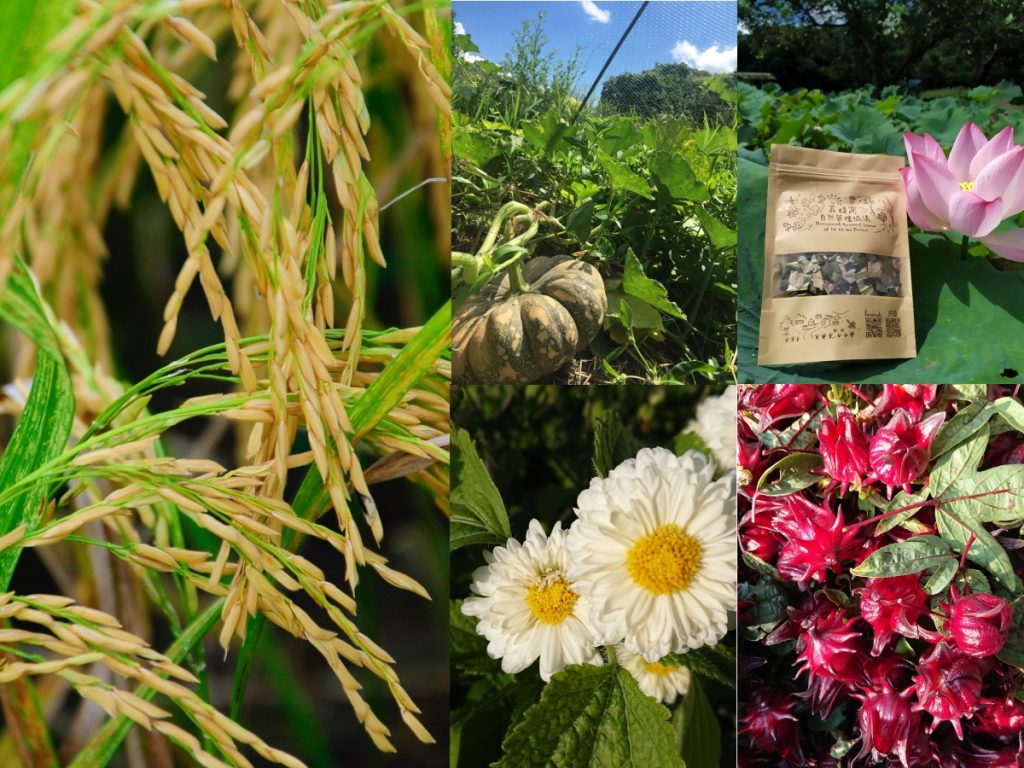
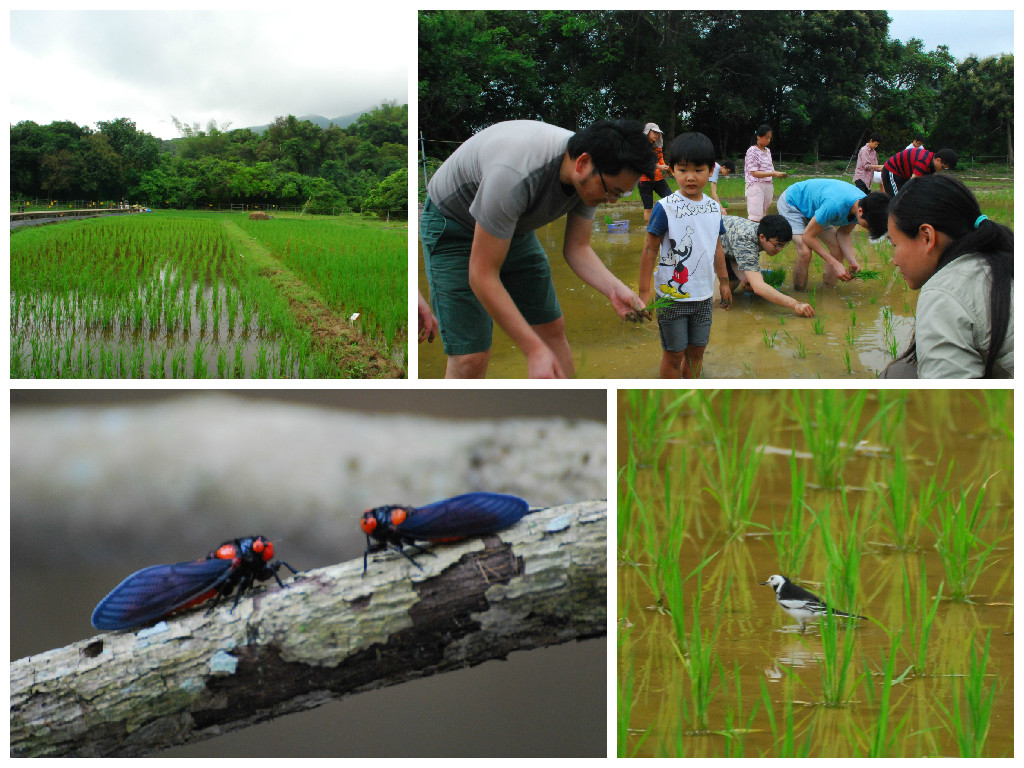
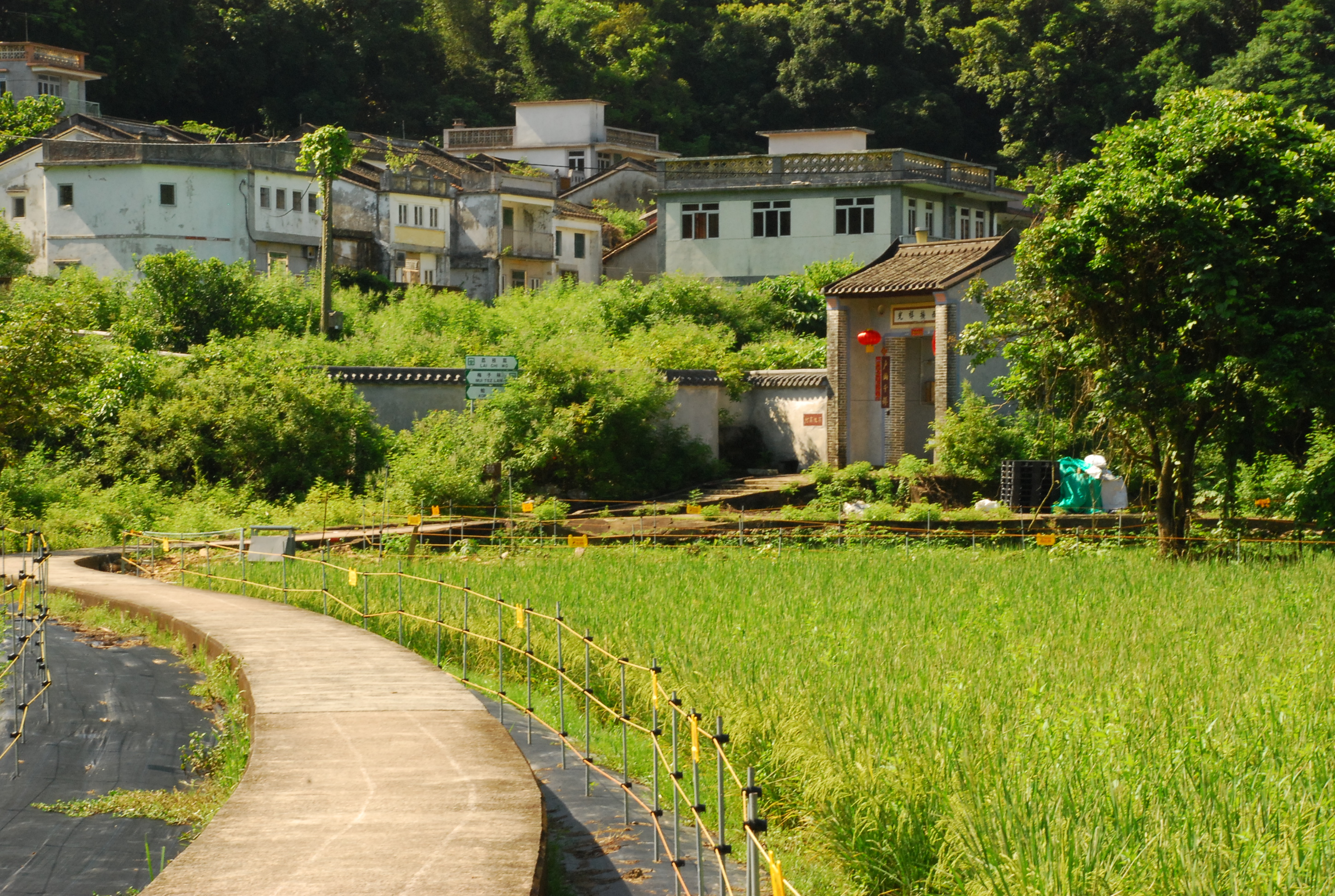
Under the project, the fields and associated irrigation channels were rehabilitated step by step. The first crop of rice in 2014 was an emotional event, bringing back the fond memories of many indigenous villagers and re-connecting them to the soil of their home village. Since then, the area under active cultivation has steadily grown. Traditional crops such as maize, turnip, taro, ginger, papaya (non-GM), etc., have been re-introduced alongside other innovative species.
The resumption of farming and the organisation of training and education activities under the project brought an unprecedented number of volunteers and visitors to Lai Chi Wo, giving the village a new breath of life. The first residents, associated with the project, settled down in the village in 2014. They were later joined by returning villagers who provide services to visitors. Increasingly, villagers are returning for short stays or for winter. Some have even opted for part-time farming at Lai Chi Wo, their home village.
The opening up of the fields has led to the restoration of the beautiful, traditional rural landscape typical of villages in Hong Kong in the past. Together with careful management of “visual corridors”, Lai Chi Wo now proves to be very attractive to local tourists from the city. It has even caught the attention of foreign visitors, such that Lai Chi Wo is now featured by Lonely Planet as a top destination in Hong Kong.
The project is conscious of the importance of maintaining balance and harmony between nature and culture based on agriculture. It therefore requires that farming be conducted in an ecologically friendly manner. Monitoring by HKU partners have confirmed that the resumption of traditional farming practice has a positive effect on biodiversity, in terms of butterflies, dragonflies, reptiles, amphibians etc.
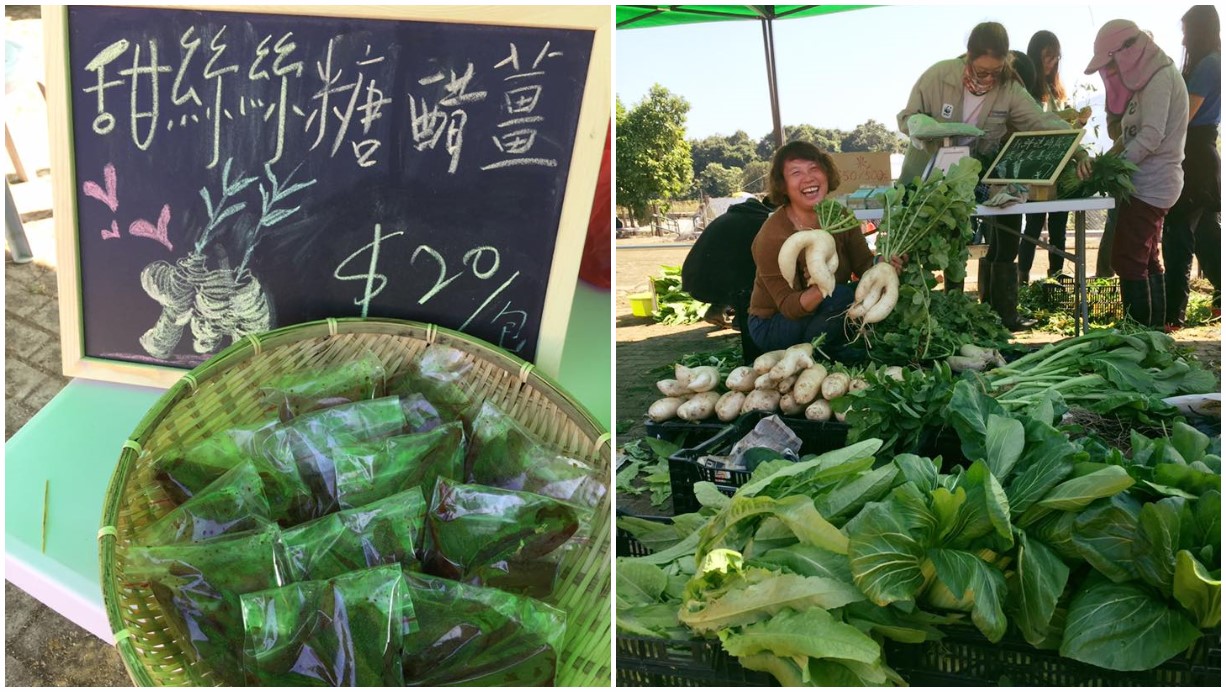
The project is also firmly committed to the idea of sustainable development. Steps are taken to develop village-based economic activities for the village’s long-term well-being. In 2017, HKU partners started running farmer markets at Lai Chi Wo, to promote local farm outputs. In 2017, ginger and turmeric were processed in situ at Lai Chi Wo, as an effort to generate economic value locally.