Tag Archives: 北部都會

The Fifth Trail 第五山徑

Reconnaissance for Fifth Trail

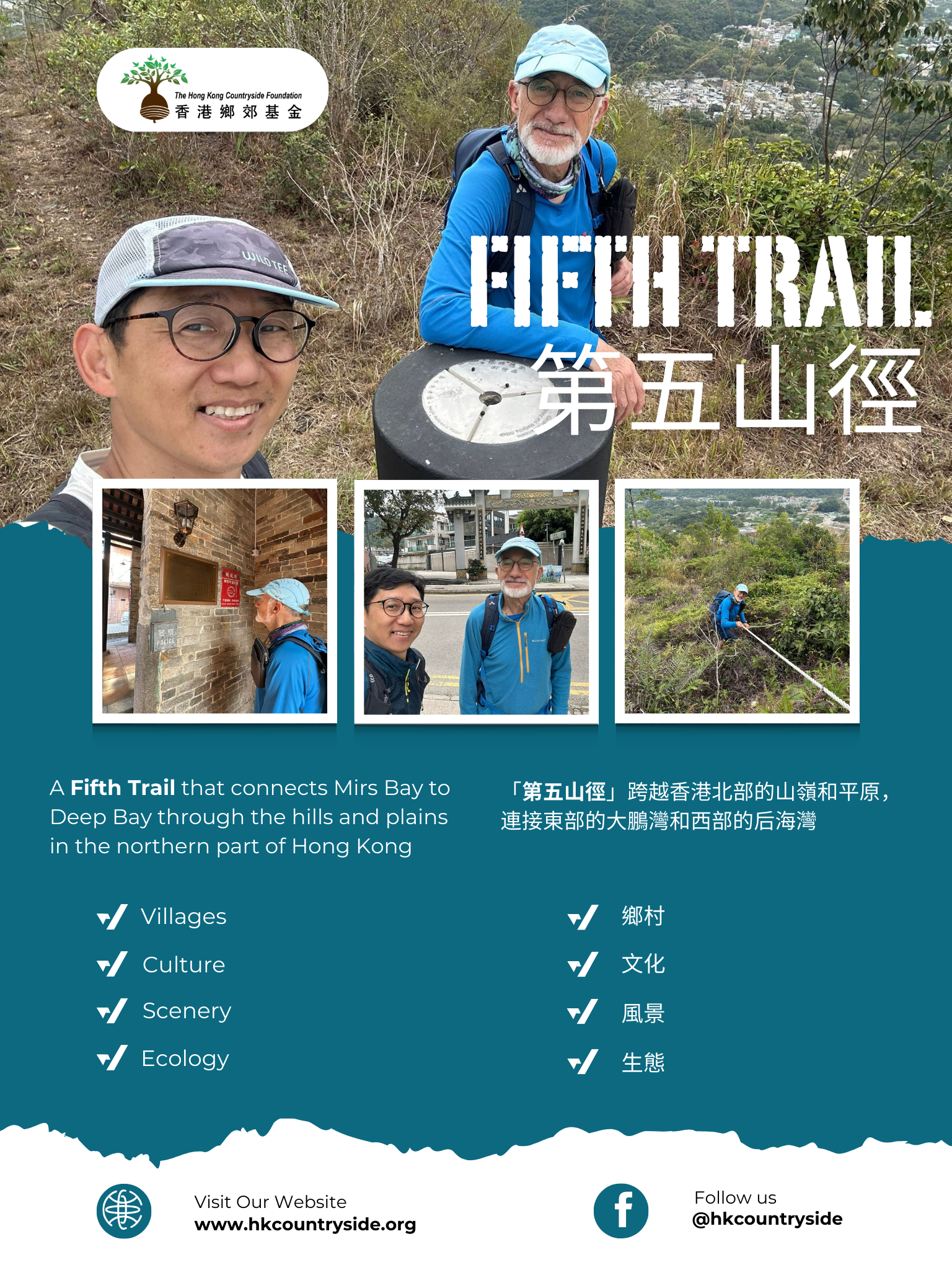
The Hong Kong Countryside Foundation is developing the concept of a Fifth Trail that connects Mirs Bay to Deep Bay through the hills and plains in the northern part of Hong Kong.  It is not a single line, but a network of paths catering for hikers of different levels and linking villages, scenic points, culturally interesting places, sites of ecological values, and convenience stops.  More than drawing lines on maps, colleagues and volunteers of HKCF have started making reconnaissance trips to assess conditions on the ground.  These images show director Roger Nissim and volunteer Elton Lam evaluating potential routes to link the Robin’s Nest Country Park and Tai To Yan.  Much work remains to be done.


香港鄉郊基金會正在構想香港的「第五山徑」,跨越香港北部的山嶺和平原,連接東部的大鵬灣和西部的后海灣「第五山徑」不會是單一的路線,而是一個由多條步道組成的網絡,適合不同程度的遠足者,並將沿途的鄉村、觀景點、文化特色、重要生態區和補給站點連接起來。香港鄉郊基金的同事和義工不僅是在地圖上劃線,還已開展了實地考察,評估實際情況。照片展示基金董事 Roger Nissim和義工林穩超正在評估連接紅花嶺郊野公園大刀屻的可能路線,「第五山徑」要做的事還很多。

兩大理由新田科技城的規模必須重新衡量

(原文刊登在2024-3-12 南華早報給編輯的信,作者李森現任香港鄉郊基金副主席)

深圳現在毫無爭議地相當於中國的 IT 矽谷,華為、騰訊、比亞迪、大疆等重量級企業在這裡札根。目前,騰訊計劃建造新的“騰訊園區”,佔地133公頃,建築面積200萬平方米,可容納八至十萬員工。這些公司像磁石一樣吸引其他志同道合的公司到來,據報道,今年計劃在深圳設立的初創公司不少於86家。

相比之下,香港與之競爭將持續艱難。最近的財政預算講詞稱,去年和今年我們只能吸引到 40 家參與引進戰略企業的計劃。

據目前環境影響評估報告描述,新田科技城佔地300公頃,將造成巨大的環境破壞,緊鄰米埔自然保護區(具有重要意義的拉姆薩爾濕地)的地區約89公頃寶貴的濕地將被毀壞。為了抵消這一影響,規劃中的三寶樹濕地保育公園的很大一部分將保留為「補償」,但是這個公園原本在北部都會區發展策略中已規定為520公頃,現在卻在毫無解釋或理由的情況下,縮減至338公頃,即是削減了182公頃!

因此,考慮到與深圳的劇烈競爭,以及可能在生態非常敏感的地區造成巨大環境破壞的雙重挑戰,似乎政府非常有需要採取「謹慎方案」,分階段進行,以便更好地評估這個發展項目的真正累積環境影響,同樣重要的是讓政府有機會測試這片新的創科用地有人垂青嗎?

合適的第一期是集中發展*落馬洲河套地區*,該地區佔地87.7公頃,其中53.49公頃指定用於創科。

2024-3-12 Letter to Editor

2 reasons Hong Kong should rethink its massive technopole plan

(The letter to editor of SCMP was published on 12 Mar 2024. Roger Nissim is currently Vice-chairman of the Hong Kong Countryside Foundation.)
Sir,

Shenzhen is now the undisputed IT equivalent of China’s Silicon Valley with heavyweight companies such as Hua Wei,Tencent, BYD and DGI firmly established there. Currently Tencent have plans for a new ‘Tencent Campus’ covering a 133 ha site with 2m sq.m of floor space for 80-100,000 employees. These companies are acting like a magnet for other like-minded companies, it being reported that no less than 86 startups are planned for Shenzhen this year.

Hong Kong by comparison will continue to struggle to compete against this. As noted in the recent Budget speech, we have just lined up 40 businesses, last year and this year, under the Attracting Strategic Enterprises scheme.

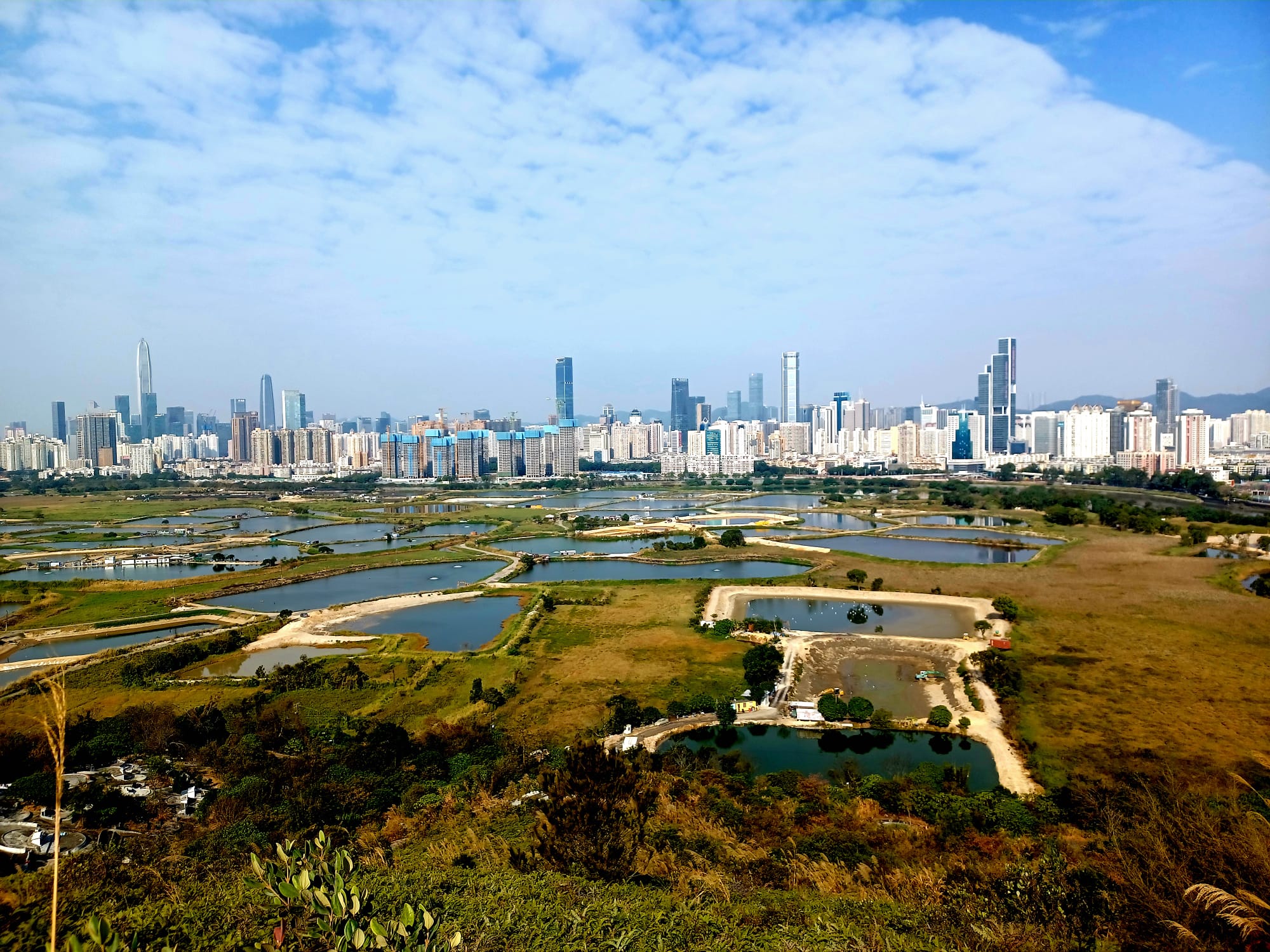
The current 300ha site for the San Tin Technopole as described in the EIA is going to cause huge environmental damage with some 89 ha of valuable wetland to be destroyed in an area immediately adjacent to the Mai Po Nature Reserve, a Ramsar site of great significance. To offset this a significant portion of the planned Sam Po Shue Wetland Conservation Park is to be set aside as compensation. This Park was originally stated in the Northern Metropolis Development Strategy to be 520 ha but now, without any explanation or justification, has now shrunk to 338 ha, a further loss of 182ha!

So given the twin challenges of competing with Shenzhen and the potential for huge environmental damage in this very sensitive area there seems to be a good case for taking a precautionary approach by proceeding in phases to be better able to assess the true cumulative environmental impacts this development will have but, just as importantly, to properly test the marketability of this newly created I&T land?

 A suitable Phase 1 would be to stay focused on the development of the Lok Ma Chau Loop which covers an area of 87.7 ha of which 53.49 is earmarked for I&T.

Roger Nissim
2022-5-26 粉嶺高球場可成中央公園

香港鄉郊基金顧問   劉勵超

[本文僅為個人意見,並不代表香港鄉郊基金立場]

2010年代,香港處於多事之秋,房屋供應短缺和貧富愈趨懸殊兩個問題成為政府管治能力的痛點。佔地170公頃的粉嶺高球場,被社會部分人士視為政府優惠小眾富豪廉價享用社會珍貴土地資源的社會不公明證,要求政府收回高球場發展公屋。政府在民粹壓力下,2019年年中宣布把高球場其中32公頃土地,於2023年8月收回發展公屋及其他社區設施,並隨即開展建屋的環境影響評估。

費時兩年多的環評報告上周極低調出台,政府宣布收回的32公頃土地,地形猶如一條纖腿,環評報告把這條「腿」由上而下橫分為4區,建議其中只有生態價值低至中等的分區1適合發展房屋(報告未有提供此分區覆蓋的面積,筆者目測圖則估計約8公頃)。分區2及3則提供康樂設施及附屬配套設施,而分區4不建議進行發展。

就算是生態價值不高的分區1,發展過程也不會簡單。報告建議要作補償林地種植,以及盡量保留或移植區內有保護價值的植物,卻未有顯示在何處補償和移植。如在區外補償和移植,豈非把分區1本已不高的生態價值徹底摧毀?報告又建議,分區2至4將來實施管理計劃,減少區內的自然生態受人為活動所干擾,這些管理計劃,除非交給積極性較政府部門為強的環保團體嚴格執行,否則管理效果存疑。

此外,報告預告發展項目動土前,還可能要做考古影響覆檢,誰曉得這會得出什麼結果。沙中線的宋皇臺站因意外發現古蹟拖慢了施工進度的經歷,若在分區1歷史重演,於2029年完成興建公共房屋極可能不達標,令政府把高球場發展成屋邨,在短至中期內增加大量房屋供應的如意算盤打不響。

根據環評報告,分區1將興建約12000個房屋單位,可容納約33600人。若以該區8公頃土地面積計算,人口密度將遠超現時全港各區之冠的觀塘(每100公頃59704人)。雖然建議發展的公屋屋邨尚未設計,但幾乎肯定會是座數多及層數多,跟一街之隔,只有兩座一共容納1360個房屋單位的祥龍圍公共屋邨形成強烈對比。隨着人口大幅增加,交通擠塞已可預見,我們還未得悉政府的交通影響評估問題會有多嚴重和建議如何解決。環評報告只顯示政府會改善分區1出入必經的保健路/丙崗路路口改善工程,並沒有計劃擴闊這兩條路容納更大交通流量,怎教該區區民他日「安心出行」?

收回粉嶺高球場發展公屋是政府於2019年基於政治考慮而作的臨急抱佛腳決定,未知當時政府為了找一個quick fix急就章曾否考慮此舉對北區計劃大綱會產生不可逆轉的影響,遑論政府兩年後才推出的北部都會區的構思。粉嶺高球場部分「去勢」的行動,跟之後去年10月政府公布的《北部都會區發展策略》中的「實施創造環境容量」和「締造高景觀價值的戶外生態康樂/旅遊空間」兩個重點行動方向是背道而馳。

保育團體香港鄉郊基金曾於今年2月和上月分別去信特首林鄭和候任特首李家超,建議完整保留粉嶺高球場,最終轉化為北部都會區的多功能中央公園。這個棄公屋保環境的建議也許政治不正確和無視房屋供應告急的現實,但為了發展一個有可持續性的宜居城市,希望下屆特首能鼓起勇氣,「雖千萬人吾往矣」。

(原文刊登在2022年5月26日 「信報」財經新聞)

Submission on Northern Metropolis Development Strategy 北部都會區發展策略意見

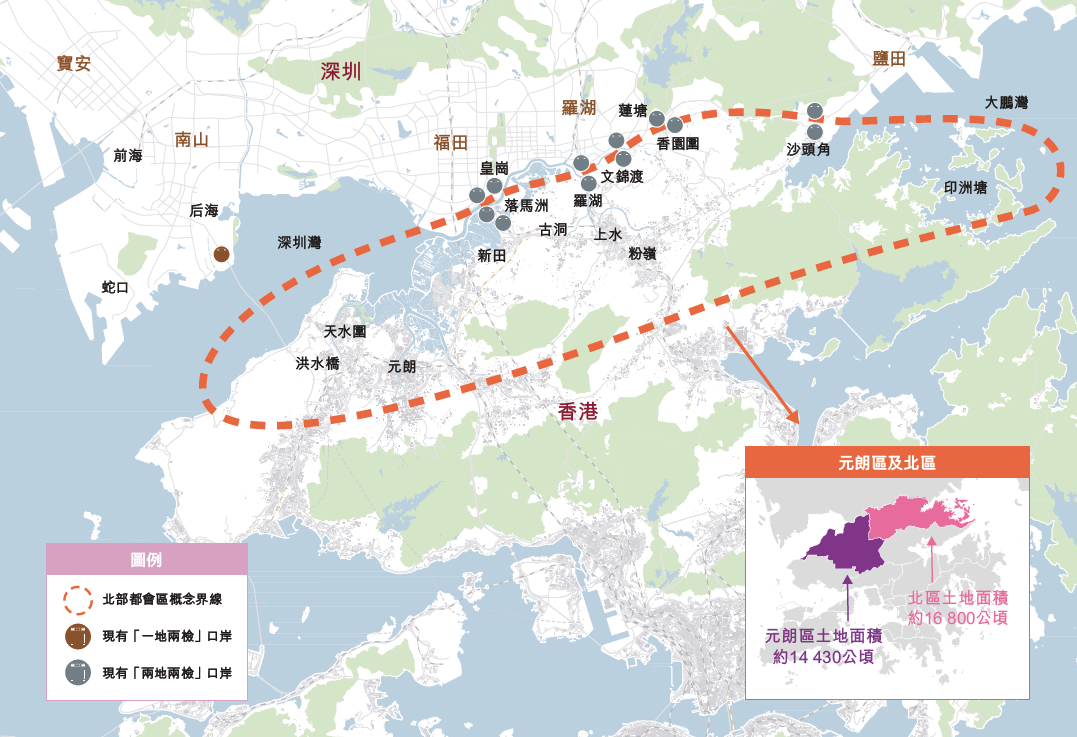
北部都會概念界線圖 (圖片來源:北部都會區發展策略報告書—2021年10月)

24 Feb 2022

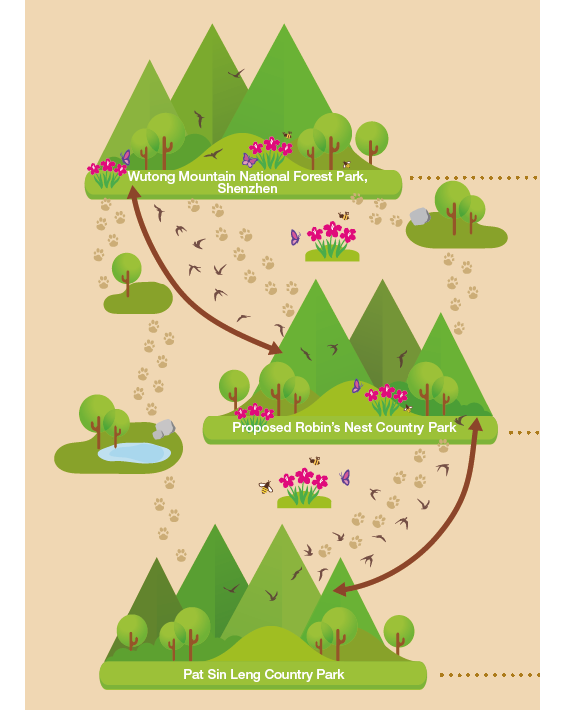
Wutong Mountain/ Robin’s Nest/ Pat Sin Leng Ecological Corridor (Source: Northern Metropolis Development Strategy Report_10/2021)

The Foundation made a submission to the Chief Executive on “the Northern Metropolis Development Strategy ”

(Full document: 2022-02-24 HKCF Submission to CE on the Northern Metropolis Development Strategy )

2022年2月24日
基金向特首遞交一份有關北部都會區發展策略》意見書

(中文譯本: 2022-02-24 香港鄉郊基金向特首提交意見